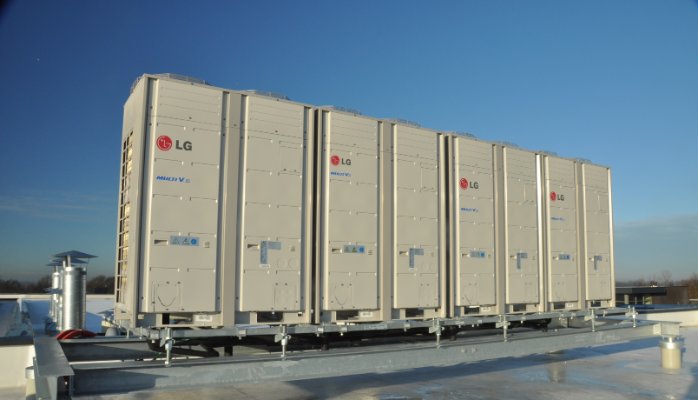
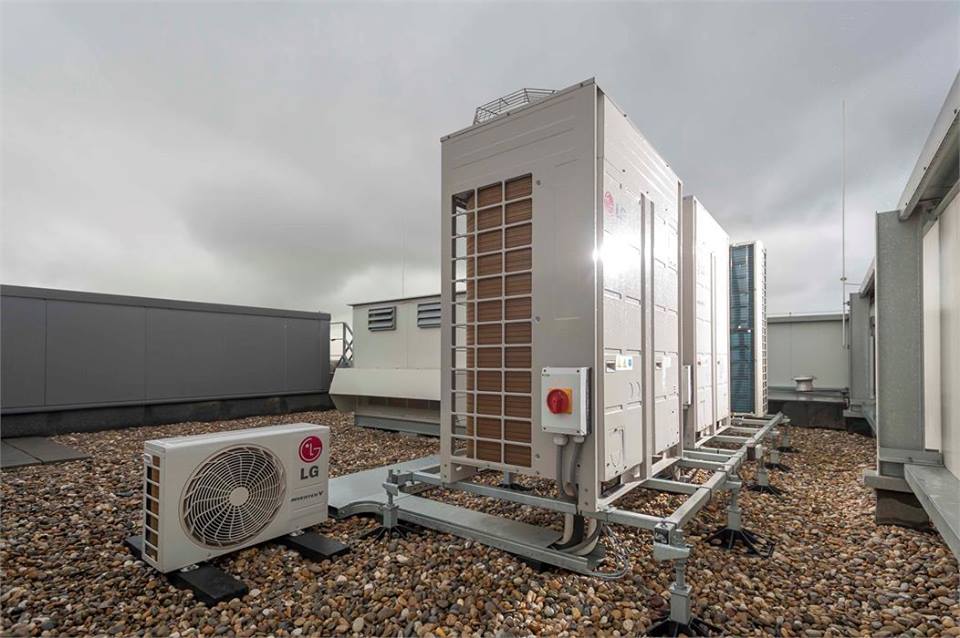
Over the past few years, telecommunications have emerged as one of the largest industries in the Egyptian economy. The “Digital in 2017” study stated, “when it comes to Mobile penetration Egypt comes at rank 24 internationally with a 103% penetration.” Another study by Statista (see below) estimates the projected number of smart phone users in 2018 and 2019 based on historical data from the previous five years. What we conclude from the previously mentioned studies is that the rise in telecommunication studies will have a direct impact on the commercial buildings industry. With the emergence of a fourth mobile operator, WE, the competition has reached fierce levels, and for each company to stay at the top, they must all be equipped with the infrastructure required for the level of competition. Infrastructure for telecommunications means opening regional headquarters all over Egypt to efficiently manage the operations of all governorates and cities. Also, telecom companies differentiate themselves by stating they have superior customer service, hence as the number of users increases, customer service offices will increase. Finally, retail stores selling prepaid cards, postpaid contracts, and mobile phones are also on the rise to maximize revenues, and this includes phone manufacturers as well. All these implications lead to one conclusion, each telecom company will own hundreds of operating buildings all over the country. This means the total monthly electricity bills for these companies will be massive. With the competition very close, telecom companies are trying to save expenses as much as possible. This dilemma is leading their management to invest heavily in electricity cost saving projects wherever it is possible. Since HVAC consumes almost 70% of commercial buildings energy consumption, it has become a priority for energy savings by telecom companies. They are realizing that VRF is the perfect match for their HVAC problems. Most telecom offices are midsize offices that fall under the VRF cooling capacity territory, and they are starting to realize the importance of energy efficiency. In 2017, Vodafone’s office in Smart Village hired many employees without expanding the office space. The cooling capacity required for the office had increased after the arrival of the new employees. The existing HVAC system was Water Chiller but it did not meet the new capacity. Vodafone was looking for a system flexible enough to install along with the existing system and to be energy efficient. VRF was the perfect solution, its piping length and small size allow it to be installed along with most existing systems. In addition, it is the most efficient system for this case since the required capacity was 42 tonnes. Vodafone’s HVAC contractor, EGYPRO, recommended 365 Ecology to supply and install LG’s Multi V system for the project. Another addition to the VRF trend is Orange. In 2017, Orange started discussing possible HVAC solutions for their new Upper Egypt regional headquarters building in Asyut. Besides considering the DX-split system, Orange considered for the first time using VRF. After one year of studies and consultation with Dr. Momen Afifi, Orange decided to use VRF for two reasons. They found VRF to be the cheaper option (payback period of 3 years) because of its low operating costs. Also, the building exterior does not allow outdoor units, so VRF’s installation flexibility provided the solution to this problem by having the outdoor unit placed in a room connected to the exterior of the building. Since Orange was determined to execute the project as fast as possible they decided to hire 365 Ecology to be the VRF contractor. 365 Ecology provided the fastest delivery time having available stock to cover the whole project, as well as the required experience for installation. All system parts were delivered to the site one week from signing the contract, and the installations were completed in one month. A new branch of the Raya Contact Centre is to be opened in 2018 in Palm Strip mall. The contact center is an outsourcing hub for foreign companies providing customer services and sales management. Raya decided to use VRF for the new branch, but unfortunately, they needed to finalize the project in a maximum of one month. Since all the parts required for the VRF system are imported, Raya found difficulty finding stock ready for delivery to meet the desired capacity. 365 Ecology contacted Raya and explained how we have in stock all the required parts. Raya was impressed and the contract was signed. Two days later, all the system parts were delivered to Raya’s site. The PO made for this project was the fastest in Raya’s history. Less than a month later the VRF system was installed and ready for operation. It is obvious, VRF is the future of telecom companies, whether it’s a call center, retail store, or an administrative office. At 365 Ecology, we are fully aware of the direction this market is heading to, and we are taking the initiative to be ahead of our competition.
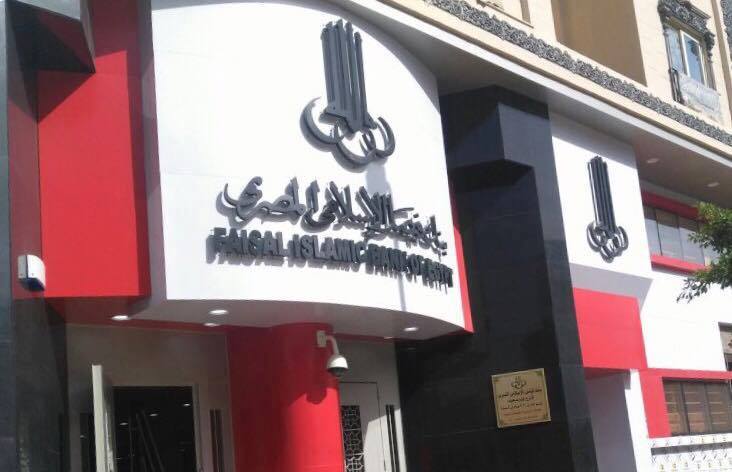
Building owners are facing a huge dilemma when it comes to choose the best fit HVAC system for their property. The selection of the HVAC system depends on many variables including building size, working activity, interior layout, hours of operation, and most importantly the owner’s budget. The last variable is the most interesting one. For many building owners, the initial cost of the system is the most decisive factor, regardless of operations cost and lifecycle analysis of the system. This method of thinking is short-sighted and outdated. A major shift in the mentality of building owners is required for the Egyptian market to optimize energy consumption and save millions of EGPs every year on electricity bills. At 365 Ecology, our main objective is to provide the most economical and energy efficient HVAC solutions for our clients, thus for every project we work on, we must conduct a life cycle analysis, and calculate the cost savings for our client over the period of operation. Let’s look at one of our clients, Faisal Islamic Bank (FIB). FIB is one of our most loyal clients as we have completed together over 5 projects in the last three years. FIB operates 36 branches in Egypt and opens a few new every year. One of their main concerns is their electricity bill. With HVAC covering 70% of commercial buildings consumption, they have great desire to install the most efficient HVAC systems for their branches. We recommend using LG Multi V VRF for mid-size commercial buildings based on the cooling capacities of such buildings, the long hours of operation, and the necessary individualized cooling experience. Compared to its competitors, the VRF is the most efficient system in this range. We created a comparison study for FIB Zizenya branch and concluded that VRF would save 30 – 50 % of HVAC energy consumption compared to their initial chosen system, DX packaged. FIB was interested, and they found the analysis to be convincing, but without previous experience with VRF, they had their doubts, just like trying anything for the first time, whether it’s trying a new dish, watching a new series, or buying groceries from a new grocery shop. FIB decided on experimenting with LG VRF. They installed a DX-packaged system on one floor, and an LG VRF system on another. Both floors have similar layouts and occupancy, so they are assumed to have identical cooling conditions. 365 Ecology installed PDI (power distribution indicator) to track and monitor the power usage of both systems, compare the results and determine which system is more efficient. The results hugely favored VRF. The following graph summarizes the cost savings from using VRF compared to the DX packaged. With the current economic reformations currently taking place in Egypt, energy efficiency is more important than ever. The government is gradually removing subsidies on utilities like gas and electricity, and rates have reached unprecedented levels. With companies still trying to cope with increased expenditures due to currency floatation, further increases in electricity might be the last straw. It is time for owners to seek alternative solutions and consultations on how to reduce energy consumption. To continue using the same traditional systems as before just because of familiarity, or choosing systems based on the lowest initial cost, it is no longer acceptable with the current economic conditions. It is time to choose based on scientific methods, life cycle studies, and expert consultation.
By: Michael BuehlerHead of Infrastructure & Urban Development, World Economic Forum Philipp GerbertSenior Partner & Managing Director, The Boston Consulting Group “Traffic is driving me nuts. Am going to build a tunnel boring machine and just start digging …” Elon Musk’s tweet in December 2016 startled the construction industry. He was not joking: only a month later, he started excavating the first test trench on Space X headquarters in Los Angeles – an incredibly fast move for such a traditionally slow sector. Thanks to Musk’s visionary and bold approach, he succeeds in attracting the best talent to his projects – a challenge traditional construction companies find hard to meet. This is just one prominent example of a growing number of innovators and disruptive companies shaking up the industry. With 3D-printed houses, automatically designed hospitals, prefabricated skyscrapers – once futuristic dreams are now becoming a reality, according to a new report by the World Economic Forum and Boston Consulting Group. Building the future Relative to other industries, productivity in construction has stalled over the past 50 years. The technology was not making any fundamental advances, and companies remained averse to changing their traditional methods. Recently, however, transformative technological developments have emerged, and some pioneering firms have adopted them for current projects. These developments – 3D printing, building information modeling, wireless sensing and autonomous equipment, to name just a few – are already starting to turn traditional business models upside down. The Shaping the Future of Construction report outlines 10 cases that illustrate the value of embracing innovation. Prominent flagship projects, such as Dubai’s Burj Khalifa, the world’s tallest building, and the Edge in Amsterdam, the world’s most sustainable office building, showcase state-of-the-art innovation. So, too, do the various pilot projects or start-ups that the report analyses, such as the 3D printing of houses by Chinese company Winsun or the predictive analytics of construction data by Chicago-based Uptake, Forbes’s hottest start-up of 2015 and now valued at over $2 billion. Jointly, their inspirational stories give a glimpse of the industry’s future. For society, it could be a bright future: construction clients and communities at large will benefit from the long overdue transformation of the industry. And change is urgently needed if we’re going to respond to megatrends such as climate change, migration into urban areas and a new global push for infrastructure. As a reliable source of entry-level jobs for immigrants and as a provider of affordable housing, the construction industry is sure to be at the center of public debate. And if public budgets tighten further, the industry’s cost-effectiveness will come under even sharper scrutiny. Incremental change is not an option; innovations in construction could help make a serious difference, both economically and environmentally. How construction companies can keep up So the pace of innovation is accelerating, and that’s a good thing. But companies must act swiftly to keep up and reap the full benefits of these new technologies. Or, to paraphrase sci-fi writer William Gibson, the future of construction is here now – it’s just not evenly distributed. Innovative companies and projects may demonstrate the art of the possible, but what impact will they have on traditional construction? According to the Shaping the Future of Construction report, there’s a widening gap between the innovation laggards and leaders, in particular with regards to their digital transformation. So how can companies stimulate innovative ideas, turn them into reality and ultimately succeed in the market? The report offers a few examples from pioneering firms, with lessons such as: create an innovation-friendly culture that rewards risk-taking; take a longer-term product perspective, rather than thinking in terms of individual projects; and proactively shape the regulatory environment. Companies have nothing to gain from delaying. Once they start improving, the benefits – lower costs, shorter delivery times and reduced environmental impact – can begin to accumulate. But it’s not up to companies alone. Governments are crucial in the transformation of the construction industry. They need to make it easier for regulators, strategic incubators, and project owners to adopt new technologies. The report recommends that governments should update building codes, move to forward-looking, performance-based standards, and introduce more flexible procurement models in infrastructure projects to overcome typical hurdles for innovation. In fact, infrastructure is again high on the agenda in almost all regions of the world. In the words of John Beck, president, and CEO of Canada’s Aecon Construction Group: “There has always been a mismatch between the need for infrastructure assets and the capital to fund them. By leveraging all the remarkable innovations that have emerged in recent years, we have a new opportunity to narrow that gap.”Source: WEF
3D-printed houses, automatically designed hospitals, prefabricated skyscrapers — once futuristic dreams are now a reality as described in the new report Shaping the Future of Construction: Inspiring innovators redefine the industry developed with the World Economic Forum It showcases and analyses 10 Lighthouse innovation cases – prominent flagship projects as well as start-ups and pilot projects – that demonstrate the potential of innovation in construction and give a glimpse of the industry’s future. In the context of the Forum’s Future of Construction initiative, over the past year six Working Groups comprised of industry leaders, academics and experts met regularly to develop and analyse innovative ideas, their impact, the barriers to implementing solutions and the way forward to overcoming obstacles and implementing modern approaches in the construction and engineering industry. This white paper presents the outcome of this work in the form of insight articles proposing innovative solutions on how to address the construction sector’s key challenges in the following fundamental challenge areas: 1. Project Delivery – Creating certainty of timely delivery and to budget, and generally improving the productivity of the construction sector 2. Life cycle Performance – Reducing the life cycle costs of assets and designing for re-use 3. Sustainability – Achieving carbon-neutral assets and reducing waste in the course of construction 4. Affordability – Creating high-quality, affordable infrastructure and housing 5. Disaster Resilience – Making infrastructure and buildings resilient to climate change and natural disasters 6. Flexibility, Liveability, and Well-being – Creating infrastructure and buildings that improve the well-being of end-users Together with these publications, the lighthouse innovation cases and the insight articles will be posted to the Future of Construction website to enhance awareness and collaboration among the extended stakeholders of our industry.
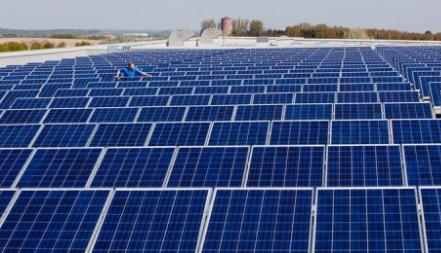
On-grid solar power system A grid connected PV system, which uses PV modules to convert the sunshine into electricity and feeds power into the grid via grid connected inverters without battery storage during the process. The inverter changes the DC electricity generated by solar modules into pure sine wave current which has the same frequency and phases with the grid, the generated power will be sent to the grid. the grid it self may absorb a huge amount of energy, and there will be no need for storage batteries, thus saves the system investment and reduces maintenance cost. Egypt has witnessed a massive progress and development in the renewable energy field, regarding incentives, laws, and regulations. According to the new Feed-In-Tariff regulation number 1947 for the year 2014, producers of Energy from PV systems get paid for the number of KWH supplied to the Grid via the new special meter. The tariffs for electricity produced from solar energy plants are summarized as the following: 1- Households: EGP 0.848 for each kilowatt (kW) per hour 2- Commercial producers of under 200 kW: EGP 0.901 for each kilowatt (kW) per hour (Low voltage connection) 3- Commercial producers of 200 – 500 kW: EGP 0.973 for each kilowatt (kW) per hour (Low Voltage connection 380 V) 4- Commercial producers of 500 KW – 20 Megawatts (MW): 13.6 cents per kilowatt per hour (Medium voltage connection) 5- Commercial producers of 20 – 50 MW: 14.34 cents per kilowatt per hour (High voltage connection) 5- Commercial producers of 20 – 50 MW: 14.34 cents per kilowatt per hour (High voltage connection) Using PV-Solar plant Potential In this part, we will briefly present the potential of the 100 KWp On Grid PV project and its profits. Total Area will be 1000 m2 of a flat surface roof. The next figure describes the grid connection schematic. Yearly energy yield The following graphs show the global solar radiation for the factory’s location (calculated using SMA Sunny design software), this will help in our calculation for the ROI. The graph is also showing the temperature ranges to be able to calculate an accurate value for the energy yield. The total Energy yield is found to be 200 MWh yearly. The plant would cost nearly $143,000 inclusive of system components including PV panels, Inventers, DC cables & mounting systems and installation.Annual sales revenue would be LE 180,200. This translates to a 7% ROI.
In 2008, the EU announced its triple goal related to energy efficiency under the ‘20-20-20 Policy’. With a wide range of far-reaching policies, the EU aims to cut its dependence on primary energy sources by 20%, reduce CO2 emissions by 20%, and also increase renewable energy production by 20% before 2020 To help lower electricity consumption by raising consumer awareness, all appliances released in the European market must display a label, which indicates the energy efficiency rating, annual energy consumption, and other energy-related information. In addition to helping consumers choose more efficient products, the labeling system encourages manufacturers to develop technologies, which require less energy to operate. Evolution of the TechnologyVRF systems are enhanced versions of ductless multi-split systems, permitting more indoor units to be connected to each outdoor unit and providing additional features such as simultaneous heating and cooling and heat recovery. VRF heat pump systems permit heating in all of the indoor units, or cooling of the all the units, not simultaneous heating and cooling. Heat recovery systems provide simultaneous heating and cooling as well as heat recovery to reduce energy use during the heating season. Over the past 15 years the technology has advanced in a number of areas: • Standard compressors to variable speed and capacity modulated scroll compressors • Direct driven outdoor fans to variable frequency drive, inverter-driven fans • Direct driven indoor coil motors to direct current or ECM-type motors • Variable capacity indoor units • Better heat exchanger surfaces with multi-segmented coils • Improved controls and diagnostics • R-22 to R-410A • Better refrigerant charge and oil management Advantages of VRF Some of the features of VRF systems should provide energy savings. These include: • Good part load performance due to multiple compressors and variable speed compressor systems permitting capacity modulation to serve 7% to 100% of the cooling or heating load. Many hours of HVAC system operation are spent between 30% and 70% of maximum capacity where the VRF system efficiency is high (Roth 2002). • Good zone control, saving by not conditioning unoccupied zones and by providing the capability to condition single zones off hours at a reasonable cost. Figure 3 shows how VRF systems can provide zone control, including simultaneous heating and cooling. Heat recovery is readily accomplished with the refrigerant when some of the indoor units are heating and some of the units are cooling. According to one manufacturer’s published data, if a 50% demand for full cooling and a 50% demand for full heating exist, in the heat recovery mode the compressor would only be 48% loaded. • Duct losses are confined to the ventilation air which is normally about 1/5th of the air flow of a ducted system circulating and conditioning both the ventilation air and the recirculated air. (Since ducts are often in unconditioned spaces, duct losses may not contribute to building space conditioning). • The refrigerant is used directly as both the working fluid and the heat transfer fluid tending to make the VRF system more efficient than systems that use air or water as a secondary heat transfer fluid for delivering heating or cooling. • The use of R-410Aand other features such a variable speed compressors, multiple speed fans and blowers, refrigerant circuitry, electronic expansion valves and advanced controls contributes to enhanced low-temperature performance • Better comfort. Since the system can be modulated to follow the load, units can remain running to maintain the temperature within narrow limits, assuring a comfortable temperature envelope. • Low noise levels. Levels are 24 dBA for the indoor unit and 56 dBA for the outdoor unit. • Flexible and quick installation. Only a small (3” or so) opening is needed for the refrigerant piping. • Low-profile, low space requirements and light weight make units easier to fit into tight spaces and to avoid obtrusive terminal units that could spoil the aesthetics of a space. • Modularity allows easy apportioning of energy costs among tenants or operations. Increased useful building space is enabled by reducing floor to floor height (12” ceiling void vs. 20”) and eliminating the need for a machine room. • Avoids the need for an on-site, trained operator as might be desirable with a large chiller based system
وظيفة وسائط التبريد في دوائر التبريد والتكييف وسائط التبريد هي المادة التي تستخدم كناقل للحرارة داخل دائرة التبريد, حيث تحدث عملية التبريد نتيجة التغيير الذي يحدث في خواص تلك المادة نتيجة تغييرات الضغط ودرجة الحرارة في دائرة التبريد فيقوم وسيط التبريد بطرد الحرارة من الدائرة عند المكثف لتتحول من الحالة الغازية الى الحالة السائلة عند ضغط ودرجة حرارة تعادل او اعلى بقليل من الوسط المحيط ..ثم بعد ذلك تقوم باامتصاص الحرارة داخل المبخر لتتحول من الحالة السائلة الى الحالة الغازية او البخارية مرة اخرى ولكن عند ضغط ودرجة حرارة منخفضة جدا وبذلك تحدث عملية التبريد والرسومات بالاسفل توضح مكونات دائرة التبريد وتمثيلها على منحنى الضغط والحجم -:في البداية نود ان نوضح نبذه مختصرة عن الانواع المختلفة لوسائط التبريد المستخدمة في انظمة التبريد وتكييف الهواء وبدائلها الحاليه وهي كالتالي غاز النشادر (الامونيا) : وهو يعتبر اول غاز تم اكتشافه كوسيط تبريد في انظمة التبريد والتكييف الانضغاطية والامتصاصية الى ان اكتشفت شركة جنرال الكتريك بعد ذلك عائلة الفريونات R 11 : يستخدم فريون (CF CL3) 11- مع ضواغط الطرد المركزى، نظراً لأنخفاض ضغطه الفعال ولكبر أزاحة الضاغط المطلوبة، ولتكييف هواء المصانع، المخازن والمسارح لأن درجة غليانه عند الضغط الجوى 23.7°م R 12 : يستخدم فريون (CF2 CL2) 12- كمائع تبريد مفضل لأمانه وخواصه الممتازة ومنها عدم إذابته للزيوت. درجة غليان فريون – 12 عند الضغط الجوى هى – 29.8°م لذا يستخدم فريون – 12 للحصول على درجات الحرارة المتوسطة فى الثلاجات المنزلية والتجارية R 22 : خواص فريون (CHF2 CL) 22- أحسن من خواص فريون – 12، درجة حرارة غليانه عند الضغط الجوى – 40.8°م وحجمه النوعى أقل من نظيره لفريون – 12 عند درجات الحرارة المنخفضة، لذا يستخدم فريون – 22 حالياً بدلا من فريون – 12 (للمبردات العميقة)، وللأغراض الصناعية ولمخازن التبريد للحصول على درجات حرارة منخفضة والفريون – R22 يذوب فى الزيت عند درجة حرارة التكثيف وينفصل عن الزيت عند درجة حرارة التبخير, ويفضل استخدام فريون – 22 بدلا من فريون – 12 لأن سعته التبريدية أكبر بنسبة 60% لنفس الضاغط وفيما يلي صورة توضح الاشكال الشائعه لاسطوانات الفريون المختلفة المستخدمة في عمليات التبريد وتكييف الهواء أكتشف عام 1974 وجود خفض فى نسبه غاز الأوزون الموجود بطبقه الاورون يسمح بنفاذ الأشعة فوق البنفسيجية. وتبين عام 1985 أن سبب الثقب أنبعاث موائع التبريد الكلوروفلوروكربون (CFC). وانتشارها لأعلى نحو طبقات الغلاف الجوى العليا ولاعتبارات بيئية تم توقيع بروتوكول مونتريال عام 1987 والذى ينص على خفض انتاج (CFC) وتوقفه عام 2000 بعد استحداث موائع بديلة غير مؤثرة على طبقة الأوزون وقد تم تأكيد توقيع بروتوكول مونتريال فى لندن عام 1990 وأتفق على تداول الموائع (CFC) فى الدول النامية حتى عام 2010 الى ان يتم التخلص منها نهائيا عام 2020 والصورة بالاسفل توضح نسبة تاثيرات غازات التبريد المختلفة على طبقة الاوزون والنتائج المتوقعه بعد اتفاقية مونتريال : وفيما يلي البدائل الشائعه لوسائط التبريد الجديدة وهي كالتالي R 134 A : يستخدم فريون 134A كبديل آمن لفريون R12 في الثلاجات المنزلية ومبردات المياة ومكيف السيارة ويعتبر صديق للبيئة نظرا لعدم تأثيره في طبقة الاوزون حيث انه لا يتفاعل مع الاوزون لعدم احتوائة على الكلور R 410 A : وهو ما يهمنا في هذا الموضوع لانه الغاز المستخدم كبديل لغاز R22 وهو يستخدم في وحدات التكييف التي تعمل بنظام VRF والتي لها قدرة عالية على توفير الطاقة في المباني الاعلى كفاءة تم اكتشاف R 410 A عام 1991 ثم تم تطويرة من قبل شركة Honeywell ورمزة الكميائي CFC (Hydroflurocarbon) وهو خليط من وسيط التبريد R32 مع وسيط تبريد R125 بنسبة 50% الخصاص التي يتميز بها R410A عن R22 يعمل بكفاءة اعلى حيث ان قدرته على امتصاص وطرد الحرارة اعلى من R22 . يساعد على تبريد اكثر للضواغط المستخدمة معه ويحد من خطر ارتفاع درجة حرارة الضواغط. يعمل بضغوط اعلى من R22 لذلك يتم استخدام ضواغط ذات متانه عاليه لتقليل الحد من فرص التكسير. يتم استخدام زيوت اكثر لزوجه مع الضواغط المستخدمة معه مما يجعله يعمل بشكل اكثر كفاءة. مع منع R22 من الاسواق ستكون اسعارة عالية بالمقارنة مع R410A كفائته اعلى في توفير الطاقه المستهلكه وافضل بكثير للبيئة. يساعد على اعطاء فترات ضمان اكبر للوحدات التي يستخدم بها لكفاته العالية في التشغيل وتفصيلاً، أفاد نائب الرئيس والمدير الإقليمي لدى جمعية المهندسين الأميركية (ASHRE)، الدكتور أحمد علاء الدين، بأن «الغازات المستخدمة في أجهزة التكييف، تستهلك طاقة كهربائية أكثر من الظروف التقليدية بنحو 30%، كونها غير مطابقة للمعايير البيئية والتي تتناسب مع الارتفاع في درجات الحرارة خلال الصيف وكما نرى R410A يحتوي على مزايا كبيرة جدا بالمقارنة بوسائط التبريد الاخرى ومما يتماشى مع التوجه العالمي لاستخدام اجهزة اعلى كفائة واقل استهلاكا للطاقة ومحافظة على البيئة
When it comes to selling variable refrigerant flow (VRF) technology, one of the first things contractors need to do is determine when and where the technology should be applied. After determining VRF is the best fit for a project, the key is to talk about efficiency up front. “It’s perhaps the most efficient air-cooled system. You also want to talk about ease of installation, a reduction in install time, and labor savings. We typically start the conversation with a discussion on how efficient these systems are and how much money they can save over the course of time on electric bills.” However, sometimes clients don’t leave contractors much of a choice when it comes to determining when to use certain equipment. “If the client is already convinced to go down the route of VRF or chillers, for example, we wouldn’t necessarily try to dissuade him from one course or the other unless we were clear the option he has chosen was not the right one for his building, “Customers rely on you to steer them in the right direction. As with any other profession, chances are great the consumer doesn’t know anything about the product or new technology unless you bring it up, most are not familiar with the technology, although it is becoming more popular. If you have the patience and take the time to explain what the technology has to offer, it makes the sell much, much easier. you must keep the old theory in mind that people buy from people they like. Many times, personality comes into play over technical knowledge.”Communicating Benefits From the consumer’s point of view, perhaps the most important benefit of VRF is its energy-efficiency savings potential. However, there are numerous advantages of which consumers may not be aware. “To start with, a VRF system does not put all the eggs in the same basket in the way a central chiller can,” Areas can be zoned; system distribution can be vertical through the building or horizontal, depending upon its orientation and usage; and the EER of properly designed and operated VRF systems are invariably better than a chiller system of the same capacity — particularly as far as low load performance is concerned. Plus, there is the ease of installation. There is little to go wrong as there are no pumps, dry air coolers/cooling towers, air handling units, etc., and, in the event of a unit failing, it can be taken out of circuit while repairs are carried out and the rest of the system can continue to function. If a large chiller fails, then the entire system, or a large part of it, is usually out of action.” Three major advantages, including energy efficiency, when selling VRF to clients. “Between the high SEER energy ratings and the possibility to spot-cool by turning off several areas when they’re not occupied, the monthly operation cost savings speak for themselves. Secondly, if it’s a high-occupancy area, what better application can address different peoples’ comfort levels than VRF One room could be 68F, while another space may be 78F, and, if we introduce heat recovery, we can offer simultaneous heating and cooling applications with certain brands.” VRF eliminates the need to employ separate controls contractors in commercial applications, said Ledsinger. “VRF is the closest to plug-and-play as possible,” he said. “With other commercial HVAC systems, you usually have to hire a separate controls contractor or separate controls provider, someone separate from the equipment provider. With VRF, the controls come with the equipment and, as long as you wire it in right, it all works, and you don’t need a separate controls contractor or provider. We use that one [selling point] a lot. The larger the job, the more money you save.” Addressing Cost Concerns VRF applications typically feature high initial costs, which may cause some clients to hesitate when considering the purchase. “Installation cost and time plus the efficiency, as described above, can easily overcome the higher initial cost. Plus, lower maintenance bills will be coming in the future. The best solution to overcoming cost concerns is for contractors to learn how to properly estimate a job. “In the past, before contractors were familiar with VRF, they would add a lot of fudge factor into their pricing because they didn’t know quite how to do it,” “Now that they’re familiar with it, we have contractors that can price it accordingly, and it’s very competitive with other commercial HVAC technologies. Usually, on an overall HVAC contract basis, VRF projects come in very competitively priced. “When VRF is compared to other technologies on an equipment basis, just equipment versus equipment, it’s usually going to come in higher because there are more components and they are a little bit more advanced electronically,” But, then you start factoring in labor savings, the savings on controls, and other savings. If you just look at equipment versus equipment, they may go into sticker shock, but the contract itself to put HVAC. in the building might be less for VRF. You must also take into account architectural savings because VRF takes up less space, structural savingsbecause VRF weighs less on the roof than most of its counterparts, and electrical installation savings because VRF indoor components don’t draw very much energy, so your panels can be smaller, disconnects and fuses are all smaller, and the wiring is smaller. All of that adds up to a lower upfront cost than most competitive technologies. Looking down the road, past initial costs, the energy savings are substantial.”
Variable refrigerant flow (VRF) systems, which were introduced in Japan more than 20 years ago, have become popular in many countries, yet they are relatively unknown in the United States. The technology has gradually expanded its market presence, reaching European markets in 1987, and steadily gaining market share throughout the world. In Japan, VRF systems are used in approximately 50% of medium-sized commercial buildings (up to 70,000 ft2 [6500 m2]) and one-third of large commercial buildings (more than 70,000 ft2 [6500 m2]) What is VRF? Many HVAC professionals are familiar with ductless mini-split products. A variation of this product, often referred to as a multi-split, includes multiple indoor evaporators connected to a single condensing unit. Ductless products are fundamentally different from ducted systems in that heat is transferred to or from the space directly by circulating refrigerant to evaporators located near or within the conditioned space. In contrast, conventional systems transfer heat from the space to the refrigerant by circulating air (inducted systems) or water (in chillers) throughout the building. VRF systems are larger capacity, more complex versions of the ductless multi-split systems, with the additional capability of connecting ducted-style fan coil units. They are inherently more sophisticated than multi splits, with multiple compressors, many evaporators, and complex oil and refrigerant management and control systems. They do not provide ventilation, so a separate ventilation system is necessary. The term variable refrigerant flow refers to the ability of the system to control the amount of refrigerant flowing to each of the evaporators, enabling the use of many evaporators of differing capacities and configurations, individualized comfort control, simultaneous heating and cooling in different zones, and heat recovery from one zone to another. This refrigerant flow control lies at the heart of VRF systems and is the major technical challenge as well as the source of many of the system’s advantages. VRF Benefits VRF systems have several key benefits, including: Installation Advantages. Chillers often require cranes for installation, but VRF systems are lightweight and modular. Each module can be transported easily and fits into a standard elevator. Multiples of these modules can be used to achieve cooling capacities of hundreds of tons. The relatively light weight of the system also may reduce requirements for structural reinforcement of roofs. Because ductwork is required only for the ventilation system, it can be smaller than the ducting in standard ducted systems, reducing building height and costs. In cases where operable windows are present and meet code requirements for ventilation, VRF systems are also particularly suitable for retrofitting historical buildings without disturbing the structure or for older buildings with no air conditioning. Design Flexibility. A single condensing unit can be connected to many indoor units of varying capacity (e.g., 0.5 to 4 tons [1.75 to 14 kW]) and configurations (e.g., ceiling recessed, wall-mounted, floor console). Current products enable up to 20 indoor units to be supplied by a single condensing unit. The modularity also makes it easy to adapt the HVAC system to expansion or reconfiguration of the space, which may require additional capacity or different terminal units. Maintenance and Commissioning.VRF systems with their standardized configurations and sophisticated electronic controls are aiming toward near plug-and-play commissioning. Because they are DX systems, maintenance costs for a VRF should be lower than for water-cooled chillers, so water treatment issues are avoided. Normal maintenance for a VRF, similar to that of any DX system, consists mainly of changing filters and cleaning coils. However, chillers, which often operate for 20 to 30 years, normally would be anticipated to have a longer life expectancy than a DX system such as a VRF.2 The large number of compressors in a VRF may create a higher probability of compressor failure, although the redundancy also leads, in many cases, to a greater ability to continue to occupy the space while repairs are made. • Comfort. Many zones are possible, each with individual setpoint control. Because VRF systems use variable speed compressors with wide capacity modulation capabilities, they can maintain precise temperature control, generally within ±1°F (±0.6°C), according to manufacturers’ literature. Energy Efficiency. The energy efficiency of VRF systems derives from several factors. The VRF essentially eliminates duct losses, which are often estimated to be between 10% to 20% of total airflow in a ducted system.3 VRF systems typically include two to three compressors, one of which is variable speed, in each condensing unit, enabling wide capacity modulation. This approach yields high part-load efficiency, which translates into high seasonal energy efficiency because HVAC systems typically spend most of their operating hours in the range of 40% to 80% of maximum capacity.
What is the VRF system? Variable refrigerant flow (VRF) is an air-condition system configuration where there are one outdoor condensing unit and multiple indoor units. The term variable refrigerant flow refers to the ability of the system to control the amount of refrigerant flowing to the multiple evaporators (indoor units), enabling the use of many evaporators of differing capacities and configurations connected to a single condensing unit. The arrangement provides an individualized comfort control and simultaneous heating and cooling in different zones. With a higher efficiency and increased controllability, the VRF system can help achieve a sustainable design. The VRF technology uses an inverter-driven scroll compressor and permits up to 60 indoor units to operate from one outdoor unit (varies from manufacturer to manufacturer). The inverter scroll compressors are capable of changing the speed to follow the variations in the total cooling/heating load as determined by the suction gas pressure measured on the condensing unit. What is the difference between VRF system and the Multi-split system? VRF system is similar to the multi-split system which connects one outdoor unit to multiple evaporators (indoor units). However, multi-split systems turn OFF or ON completely in response to one master controller, whereas VRF systems continually adjust the flow of refrigerant to each indoor evaporator. The control is achieved by continually varying the flow of refrigerant through a pulse modulating valve (PMV) whose opening is determined by the microprocessor receiving information from the thermistor sensors in each indoor unit. The indoor units are linked by a control wire to the outdoor unit which response to the demand from the indoor units by varying its compressor speed to match the total cooling and/or heating requirements. What are the types of VRF system? There are two types of VRF system; Heat pump (two pipes) system & Heat recovery (three pipes) system. Heat pump (two pipes) system permit heating or cooling in all of the indoor units but not simultaneous heating and cooling. When the indoor units are in the cooling mode, they act as evaporators; when they are in the heating mode, they act as condensers. Heat Recovery (three pipes) system have the ability to simultaneously heat certain zones while cooling others; each manufacturer has its own proprietary design (2-pipe or 3-pipe system), but most use a three-pipe system (liquid line, a hot gas line and a suction line) and special valving arrangements. In this case, the heat extracted from zones requiring cooling is put to use in the zones requiring heating. This is made possible because the heating unit is functioning as a condenser, providing sub-cooled liquid back into the line that is being used for cooling. While the heat recovery system has a greater initial cost, it allows for better zoned thermal control of a building and overall greater efficiencies. What are the advantages of VRF system? Energy Efficiency. VRF system uses less energy for several reasons. The system is designed to provide exactly the amount of cooling needed for the current conditions, which means it runs less frequently and at a lower capacity. The VRF system is also designed to capture heat from the cooling process and reuse it in other zones that may need heating. Quiet Operation. In a VRF system, the noisier condensing unit is typically outside, and the indoor air handlers are smaller and quieter than a traditional split system. Heat And CoolSimultaneously.The VRF system captures residual heat absorbed from the air during the cooling process and redirects that heat to other parts of the building that need heat. Consistent Comfort.The VRF system’s compressor can detect the precise requirements of each zone, and send the precise amount of refrigerant needed to do the job. As a result, each area of your space is consistently comfortable with well-controlled humidity and no hot or cold spots. Less Downtime.Since the VRF system is designed to run only when needed and under partial load conditions, there is less wear and tear on the parts. That means fewer breakdowns. Also, if something goes wrong with one indoor unit, often the others are unaffected. That means your whole space won’t be without air conditioning all at once. Requires Less Space. VRF system doesn’t usually require ducts, they don’t require as much wall and ceiling space for the equipment. Modern Controls.For residences, you can take advantage of mobile control technology that lets you adjust temperature settings for each zone from your mobile device. For commercial settings, the VRF system’s built-in controls may allow you to skip purchasing expensive building management software. What are the issues to be considered when choosing the VRF system? Higher Up-Front Cost.VRF system may cost more than traditional central air systems up front. But this cost can be offset by lower energy bills and repair expenses over time. Limitation of Refrigerant Piping. Each manufacturer specifies both the size of the pipework required for their system and the maximum permissible vertical and total refrigerant pipework runs. Compliance with ANSI/ASHRAE Standard 15-2001. VRF system must comply with ASHRAE Standard 15-2011 – Safety Standard for Refrigeration Systems (ANSI approved). ASHRAE Standard 15-2001 guides designers on how to apply a refrigeration system in a safe manner and provides information on the type and amount of refrigerant allowed in an occupied space. Requires An Experienced Installer.These systems are extremely sophisticated and require a trained and experienced installer. If you choose a company that doesn’t understand the unique requirements of VRF system, you’ll end up with sub-par performance and you’ll pay more, in the end, to have an expert come in to fix it. “VRF system provides an alternative realistic choice to traditional central systems. It captures many of the features of chilled water systems while incorporating the simplicity of DX systems.”